
Summary
Understanding the difference between senior living and nursing home helps families choose the right care setting for their loved ones. Each option serves a different purpose, from daily support in a home-like environment to hospital-level medical care.
- Senior living communities provide comfortable apartment homes with help managing daily tasks like bathing, dressing, and medication reminders, while maintaining a residential feel
- Nursing homes employ licensed nurses and medical staff for round-the-clock treatment, suited for people recovering from surgery or managing chronic conditions requiring ongoing medical oversight
- The key distinction is daily support needs versus ongoing medical supervision—senior living works well for those managing daily life independently with assistance
- Assisted Living offers a middle ground between the two, combining higher care levels with a home-like atmosphere, private apartments, chef-prepared meals, and social activities
- Specialized memory care programs like GLOW® provide secure, structured environments for residents living with dementia while maintaining engagement and quality of life
Trying to sort out the difference between senior living and a nursing home can leave families with more questions than answers. Both settings offer support, but the care they provide and the daily experience that comes with it can look very different. One is built around comfort and connection. The other focuses on round-the-clock medical treatment. Understanding each option is the first step toward finding the right fit.
What Is a Senior Living Community?
A senior living community gives older adults a comfortable place to call home while getting help with the parts of daily life that have become harder to manage alone. Residents live in private apartment homes and take part in dining, social activities, and wellness programs built around their routines.
Associates are on hand to help with things like:
- Bathing, dressing, and grooming
- Medication reminders and management
- Mobility support and transfers
- Coordinating with families as needs change
The goal is to make daily life easier without losing the comforts of home: shared meals, familiar faces, and a pace that doesn't feel clinical.
What Happens in a Nursing Home?
Nursing homes, sometimes called skilled care, are built for a different purpose. These settings employ licensed nurses and medical staff who manage treatments, monitor vital signs, and coordinate closely with physicians. This level of care tends to suit people who are:
- Recovering from surgery or a hospital stay
- Managing a chronic condition that requires ongoing medical oversight
- In need of physical, occupational, or speech therapy
Nursing homes play an important role in healthcare, but the atmosphere is built around medical needs first.
Senior Living vs. Nursing Home: Key Differences
The real senior community vs skilled care question comes down to how much medical supervision someone needs day to day. Senior living supports residents who need daily help but not ongoing treatment. Nursing homes deliver hospital-level monitoring and care.
Many families are surprised to learn a loved one can thrive in a senior living setting for years, sometimes indefinitely, before ever needing that higher tier of medical care. Watching how someone manages daily tasks, medications, and mobility is usually the clearest way to tell which setting fits.
Why Families Choose Assisted Living Instead of a Nursing Home
For families weighing nursing home or assisted living, assisted living offers a middle ground: a higher level of care delivered in a setting that still feels like home. At our community, that looks like:
- Private apartment homes with a residential feel
- Chef-prepared meals that accommodate special diets and personal preferences
- Daily activities and social programs that keep residents engaged
- Associates available around the clock, without a hospital-like routine
For families exploring alternatives to nursing homes, this balance of support and everyday comfort is often exactly what they're looking for.
Memory Care in Salem, VA
For residents living with Alzheimer's or another form of dementia, TerraBella Salem offers GLOW® Memory Care, a program built around safety, engagement, and individualized support. Associates trained in dementia care create a secure, structured setting where residents can still enjoy meaningful days, not just safe ones.
Finding the Right Fit in Salem, VA
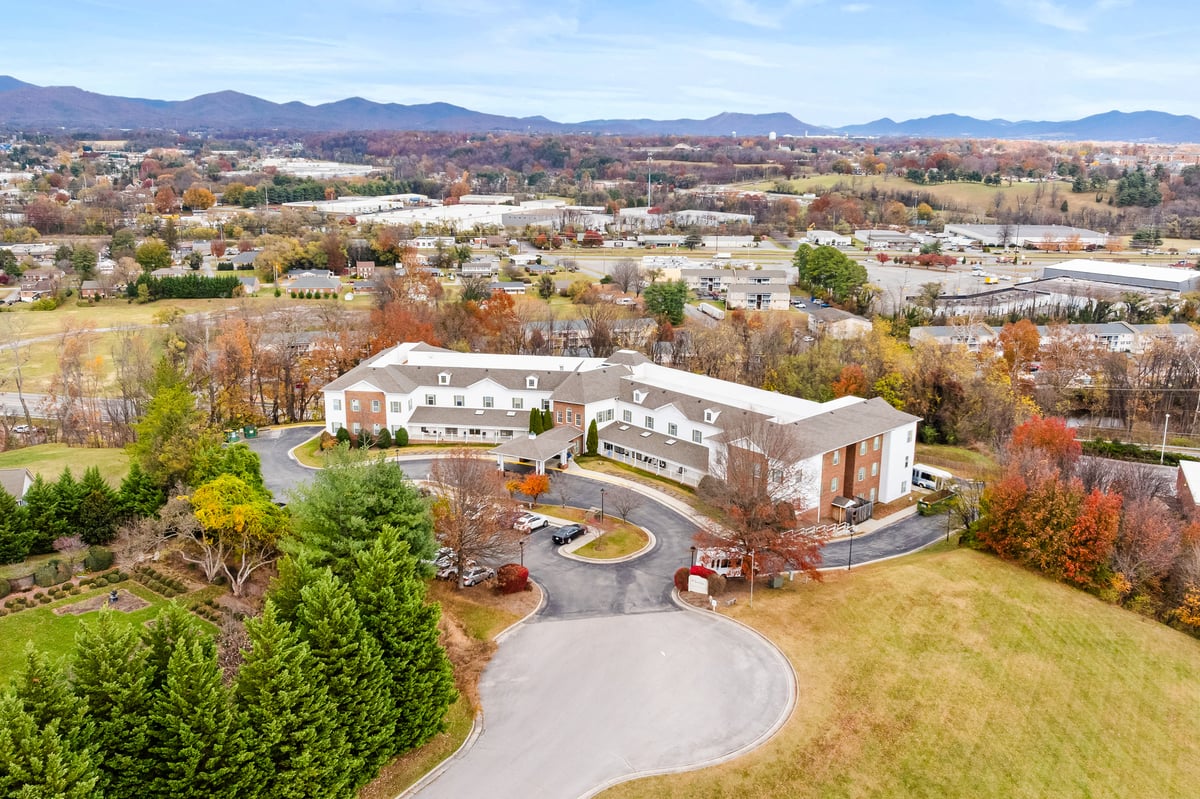
Our community sits in the Roanoke Valley, close to local medical resources and everyday conveniences that make visits and appointments simple for families. We're also pet-friendly and offer transportation services, so residents can bring along a four-legged companion and get where they need to go.
Touring in person is still the best way to compare a nursing home or assisted living. Ask questions, meet the associates, and see how residents actually spend their day.
If you're ready to see what a home-like approach to assisted living and GLOW® Memory Care can offer your family, schedule a tour today.